Case Study
Family Drug Support: Building a Nationwide E-Learning Resource for Aotearoa's Support Work Workforce

Every year, thousands of people across Aotearoa New Zealand are impacted by a loved one's alcohol and/or other drug use. The Peer Support, Lived Experience and Support Worker (CPSLE) workforce that stands alongside them is spread across large organisations and small community groups, in cities and in rural areas but until recently, no consistent, evidence-based training existed to bring this workforce up to a shared standard.
With support from the Workforce Futures Fund | Tahua Rāngaimahi Anamata (WFF), Family Drug Support Aotearoa New Zealand (FDS) set out to close that gap. What began as a plan to convert an existing pilot webinar into an online course grew into a fully redeveloped, self-paced e-learning resource that reached more than three times its enrolment forecast within three weeks of going live.
“FDS’s e-learning resource shows what’s possible when a sector builds training around the people who use it. The demand this course has already generated tells us it’s meeting a real and pressing need, and that’s exactly the kind of outcome this fund exists to support.”
Co-design grounded in lived experience
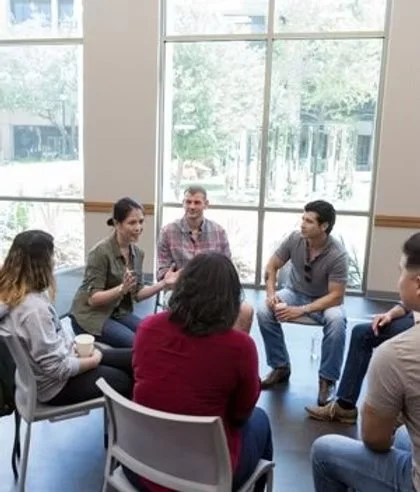
FDS built the course through an extensive consultation process. Forty-two people from 22 organisations were deliberately hand-picked, not for convenience, but to maximise diversity of ethnicity, role and lived experience with 31 completing a full review of the course before launch.
Reviewers spanned clinicians, management and leadership, social workers, students and CPSLE/support workers themselves. Consultation with Māori was built into the collaborative design of the resource, a marae-based intern supported the project build, and a senior Māori health leader provided cultural oversight and advice throughout development. Reviewers were asked to review specifically through cultural, rainbow or disability lenses; others focused on content accuracy, suitability for the target workforce, or useability. Just 18% of reviewers had no lived experience of substance use themselves the rest had either their own experience, an impacted family member's experience, or both.
All feedback was discussed, agreed and actioned before the next round of reviewers saw the course, producing a resource genuinely shaped by the sector it serves.
A course that exceeded expectations from day one
The course went live on 2 July 2026. Targeted marketing in the eight days before launch had already generated a 75-person waiting list — a 64% uptake among the people contacted. By 20 July, less than three weeks after going live, enrolments had reached 131 against a forecast of 40 for that stage: more than three times the expected demand.
Health New Zealand | Te Whatu Ora has since come on board as a co-funder, backing free access to the course for initial enrolments of kaimahi from NGO and community organisations.
“I valued the clarity and practical focus of the training, particularly the strong emphasis on skills development. The course does not assume prior knowledge; instead, it clearly models and teaches how to support families effectively. I found the use of local data, cultural frameworks, and recovery-focused approaches especially meaningful, as they ground the learning in the Aotearoa context.”

How this strengthens the workforce
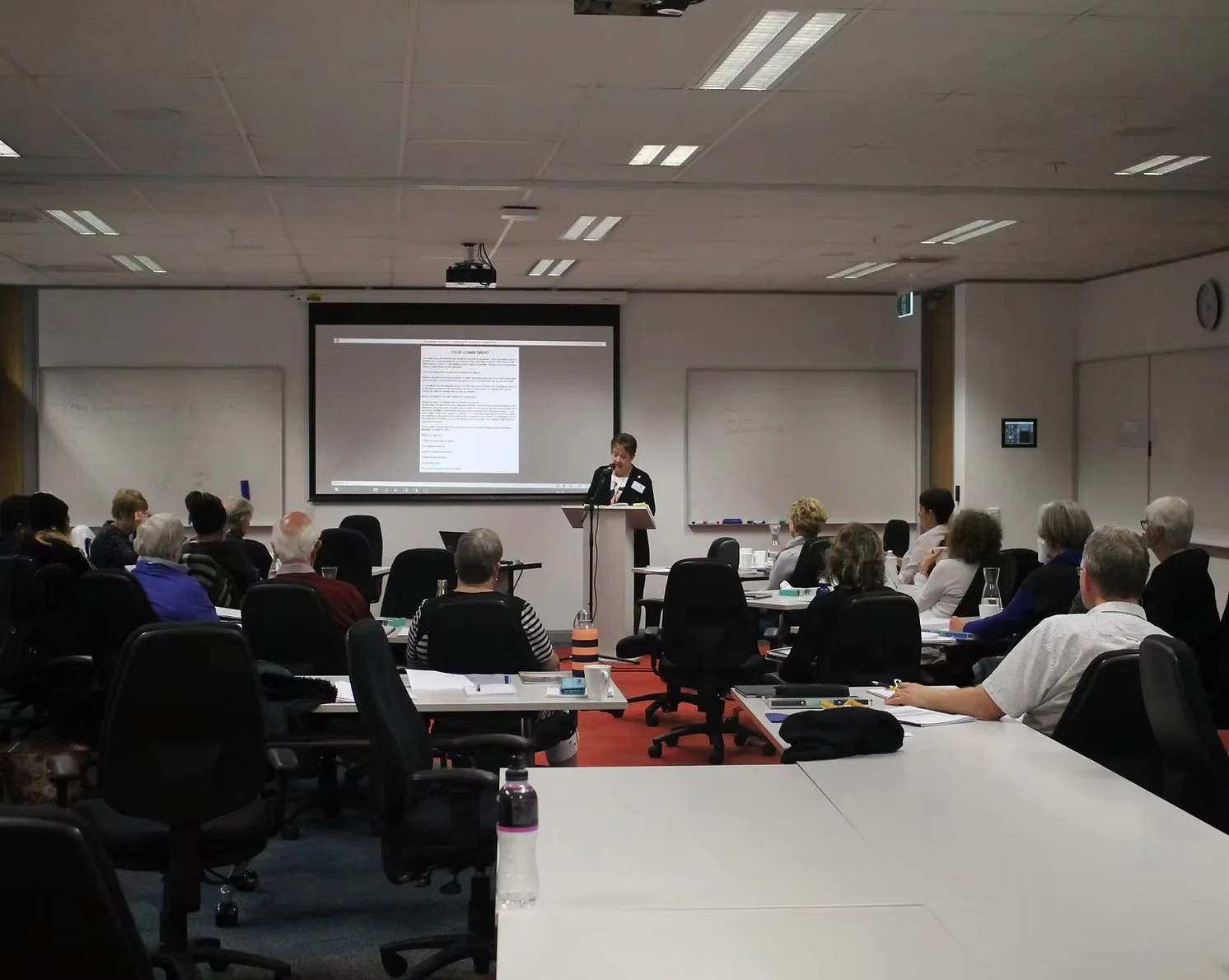
For support workers, the course lifts confidence and capability in a role that is often learned on the job with little formal training. Self-assessed competency ratings across knowledge, support strategies and skills/attitudes rose from 2.93 to 4.01 out of 5 on completion. A strong result given that around a third of reviewers already held clinical or management-level AOD knowledge. Chapter ratings across all four units of the course were very successful, averaging above 4.4 out of 5, with several sections exceeding the 4.5 threshold statistically classified as “highly” successful.
For organisations, the course offers a ready-to-deploy, evidence-based training resource that can be rolled out nationally without each provider having to build their own. Built on an existing learning management platform rather than a bespoke build, it can scale to meet demand as more of the sector's workforce comes on board.
Key learnings for the sector
FDS's experience developing and launching the course offers several transferable learnings:
Build platforms, don't just port content. Content originally planned for unit-by-unit development, mirroring the pilot webinar format, had to be substantially reshaped and ultimately built across all units simultaneously, once it became clear this suited the online format better.
Off-the-shelf platforms carry their own risks. The established learning management software produced more bugs than expected, and platform updates repeatedly disrupted content already loaded, requiring significant reloading. A reminder that "existing and proven" doesn't mean "issue-free."
Sector appetite for involvement can outstrip plans. Interest in the consultation and review stage far exceeded what FDS had planned for, requiring deliberate hand-picking of reviewers to manage numbers while preserving diversity of ethnicity, role and lived experience.
Structured cultural consultation pays off. Layering multiple, purpose-specific cultural consultations rather than treating cultural input as generic feedback meaningfully shaped the final product.
A foundation for future workforce development
The Workforce Futures Fund has enabled FDS to develop and launch a high-quality, evidence-based e-learning resource that fills a genuine gap in the AOD and mental health workforce. Early indicators; enrolment numbers already ahead of year-end forecasts, strong reviewer feedback, and co-funding from Health New Zealand | Te Whatu Ora; point to a resource meeting real need across the sector, particularly for smaller organisations and rural communities that often have limited access to professional development.
FDS has revised its enrolment goal to 200 by 30 December 2026, having already reached its original target of 110 within two weeks of launch. Two further outcomes reports, due in December 2026 and December 2027, will track the course's ongoing impact on workforce capability and, in turn, on outcomes for family/whānau affected by alcohol and other drug use across Aotearoa.
You can enrol for the e-learning here.