Case Study
AI For People: Grounding AI Adoption in Wellbeing and Te Ao Māori for Aotearoa's Disability Sector

The disability and social services sectors are two of Aotearoa New Zealand's most relationship-driven workforces, made up of people whose work depends on trust, presence and human connection. As AI tools spread rapidly across every industry, few sector-specific resources existed to help disability support providers adopt AI safely, ethically and in a way that protected rather than eroded that human core.
With support from the Workforce Futures Fund | Tahua Rāngaimahi Anamata (WFF), My Life My Voice (MLMV) set out to change that. What began as a plan to build foundational AI literacy resources has grown into a sector-wide resource: a freely available resource hub, a standing cultural governance rōpū, and a distinctive wellbeing-and-ethics-led model now recognised as a point of difference in the New Zealand AI landscape.
“AI for People shows what’s possible when a sector leads its own response to change; greater use of technology, real collaboration across workforces, and capability lifted sector-wide. The resources, lessons learned, and the cultural grounding MLMV has shared will benefit the sector well beyond their own organisation, which is exactly the kind of strategic investment this fund is designed to make.”
What is AI for People?
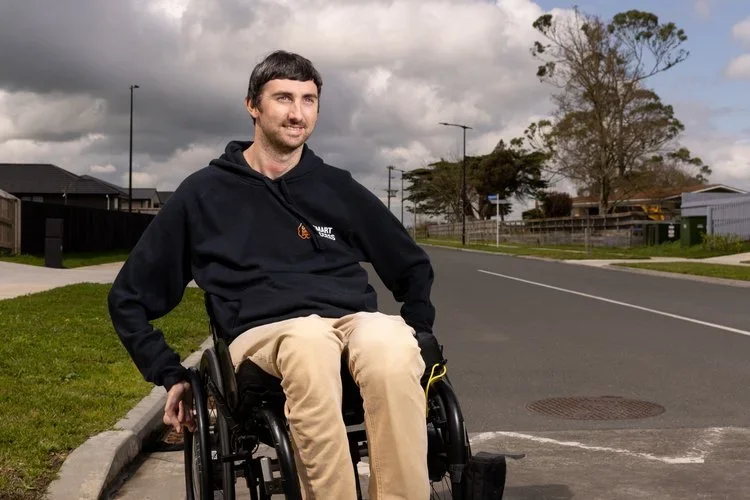
AI for People is a disability-led project that helps organisations use artificial intelligence (AI) in safe, practical, and inclusive ways.
My Life My Voice works alongside providers, community groups, and disabled people to show how AI can:
Save time on paperwork and admin so staff can spend more time with people.
Improve support planning and communication, making it easier for everyone to be on the same page.
Put disabled people in charge of their own supports, with tools that increase choice and control.
Build confidence with new tools so people can use AI safely in daily life.
All resources are free and easy to use — guides, checklists, training videos, and plain language examples. Live training is offered for a fee.
Co-design grounded in lived experience
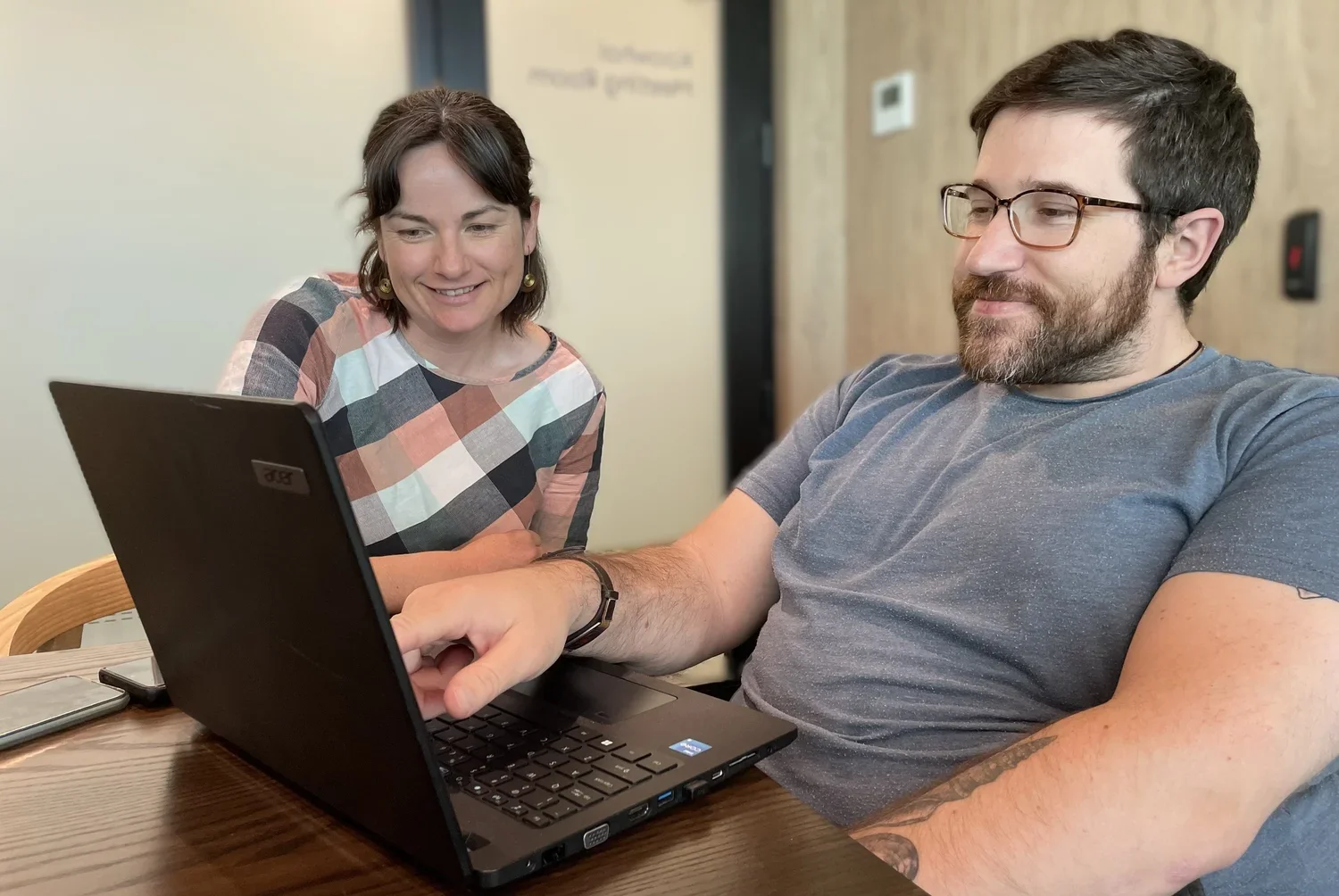
The AI for People initiative was shaped through sustained engagement across the sector, not built in isolation and handed down. Over its first year, MLMV engaged more than 25 organisations, well beyond its original target of eight, spanning disability and social service providers, peak bodies such as NZDSN and Disabled Persons Assembly, and government agencies including Whaikaha – Ministry of Disabled People.
This engagement combined needs assessments, co-design sessions and training delivery, with each organisation's specific challenges feeding into resources the whole sector could reuse. The result is content created both by and for people who work alongside disabled people, and disabled people who themselves work in the sector, a lived-experience lens that sets the resources apart.
A cultural framework for responsible AI
Central to MLMV's approach is Pou Tikanga, a standing cultural rōpū that has matured from an advisory panel into a group grounding the entire initiative in te ao Māori, Te Tiriti alignment and cultural responsiveness. Working alongside cultural advisors including Maʻao Vaireka of IHC New Zealand, Pou Tikanga has developed a shared framing of responsible AI use built around four concepts:
Depletion of manawa. Recognising that AI can intensify rather than reduce work, eroding the natural rhythm of effort and rest that sustains people.
Protecting wairua. Preserving genuine authorship and critical thinking, so people can still recognise their own thinking in their own mahi.
Whanaungatanga. Treating human connection as the work itself in the support sector, not something AI should displace.
People as taonga. Designing frameworks that treat workers as taonga rather than resources to be optimised, guarding against burnout.
This kaupapa offers a deliberate counter-frame to the urgency-and-fear narrative common elsewhere in the AI sector and is now shaping a forthcoming suite of wellbeing and ethics resources.

Strong early uptake and growing sector reach
MLMV officially launched its public resource hub at mylifemyvoice.org.nz/ai-for-people, publishing training videos, policy templates and alternate-format materials including New Zealand Sign Language (NZSL) and Easy Read versions free for anyone in the sector to use.
Uptake has exceeded expectations. More than 20 organisations are now actively using the resources and providing feedback, meeting MLMV's Year One outcome target ahead of schedule. Career Moves adopted the AI Policy Template without edits, describing it as "appearing tailor-made" for them, and Taranaki Disability Information Centre was "stoked" to receive it. NZDSN, the sector's peak body, continues to champion the work and share it with its membership, and Deaf Aotearoa has asked MLMV back for further work in 2026.
“I’ve learned so much from AI for People. I’m now confidently and thoughtfully using AI every day, in both work and personal settings. Very grateful for the tips and tricks, and advice on how we can keep ourselves and our public-facing kaupapa safe. Thanks for making this so clear and easy for us.”
How this strengthens the workforce
For frontline kaimahi, the resources build confidence to use AI safely without it displacing the human connection at the heart of their work. Providers including TalkLink staff and Christchurch City Council report tangible improvements in day-to-day work and growing confidence talking with clients about AI. The accessible, alternate-format design means the training reaches people who are too often left out of mainstream digital literacy resources.
For employers, the AI Policy Template and safe-use guidance provide ready-to-adopt tools that can be implemented with little or no modification reducing risk while building an AI-literate culture from leadership down.
Key learnings for the sector
MLMV's first year offers clear, transferable learnings for the wider sector:
Framing around harm minimisation resonates. Most organisations underestimate how widely and unsafely their staff already use AI. Naming that risk directly, without shying away from it, builds trust.
Simple tools build confidence fastest. Confidence grows quickly with easy-to-adopt examples directly relevant to people's work, though deeper automated workflows take longer for organisations to integrate.
Off-the-shelf beats bespoke. Reputable, ready-made tools generally outperform custom builds, and back-office automation offers the clearest return for resource-constrained organisations.
Leadership sets the safety culture. Where leaders resist AI, staff adopt it anyway, just without safeguards. Bringing usage into the open is safer than pretending it isn't happening.
In-person engagement outperforms online outreach. Face-to-face relationship building has consistently driven deeper, more durable adoption than digital promotion alone.
It's outsourced thinking, not AI that erodes capability. The risk isn't the tool itself but losing the habit of critical thinking, a distinction now shaping MLMV's guidance on preserving capability.
A foundation for future workforce development
MLMV's experience shows what's possible when technical capability building is grounded in cultural values and genuine care for workforce wellbeing. By treating AI adoption as a question of manawa, wairua and whanaungatanga not just efficiency, MLMV has built a model that other sectors facing rapid technological change can draw on.
With a wellbeing and ethics resource suite and expanded reach planned for Year Two, MLMV is positioned to extend this distinctive, values-led approach across the wider disability and social service sector.